A few years ago, I shared the surprising math that taking $1.00 and simply adding 1% per day adds up to more than $37 over the course of a year, and up to more than $1,400 after two years! Small, consistent gains like that can make a huge difference.
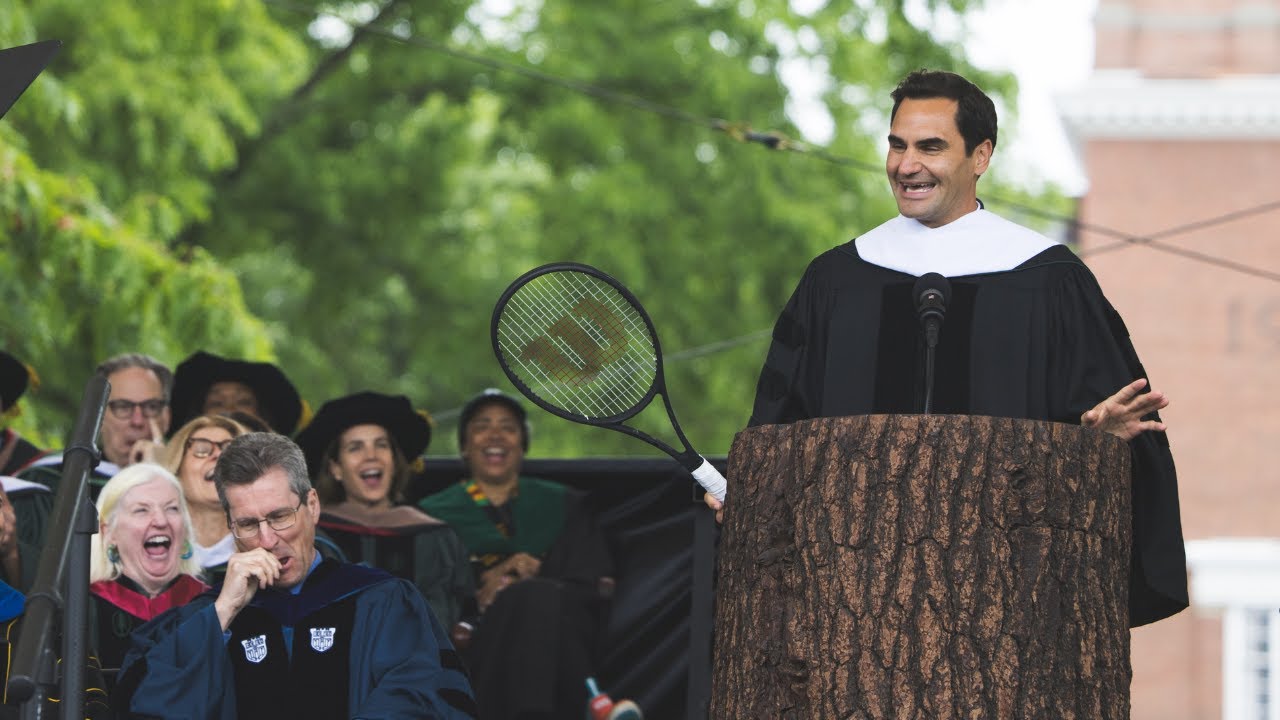
In a recent video I saw on YouTube, Hannah Fry shared an amazing stat about Roger Federer that Federer himself had recently shared at the commencement ceremony for Dartmouth College.
Over the course of his career, Federer played 1,526 matches and won almost 80% of them (including 20 Grand Slam trophies). Breaking the matches down into sets, and then games, and then individual points, what percentage of points do you think we won over his entire career?
My first guess would have been around 80%, but that’s way too high. The real number — just 54%!
It seems crazy at first, but by winning merely 54% of the points, you’ll win more games than you lose, which means you’ll win most sets, and most matches.
Djokovic too
I saw a similar stat with Novak Djokovic, where he won 43 matches in a row in 2011, but only won 57.4% of the total points during that streak. If you win 50% of the points you play, no one ones you. If you win 54%, you’ll have a tremendous career like Roger Federer. If you win just 57%, you almost never lose.
Little things add up. Add 1% every day to get 1% better than your competition, and the results can be astounding.