I’m a big believer that almost nothing has a 0% or 100% chance of happening.
As I’m writing this, I fully intend to watch the Georgia football game in a few hours, but it’s not 100%. I could get sick, we could lose power, I could get a distressing call from a friend, or any number of things might happen. Realistically, I’m perhaps 98% likely to watch the game today.
On the flip side, I fully expect not to lose my car tomorrow. I’m in the middle of a lease that I don’t want to break, and I have no plans to leave the house so an accident is nearly impossible. Still, there is always a chance a tree could fall on it (it’s happened to us before), or something else could happen. I think the odds that I no longer have the car is way under 1%, but it’s not zero.
Decisions are the same
Decision-making is the same. While I’d love to have 100% of the information before I make a big decision, that’s impossible. You’ll never know 100% about the person you want to hire, or the client you hope to sign, or the service you wish to add. You can know a lot, but never everything.
So how much is enough?
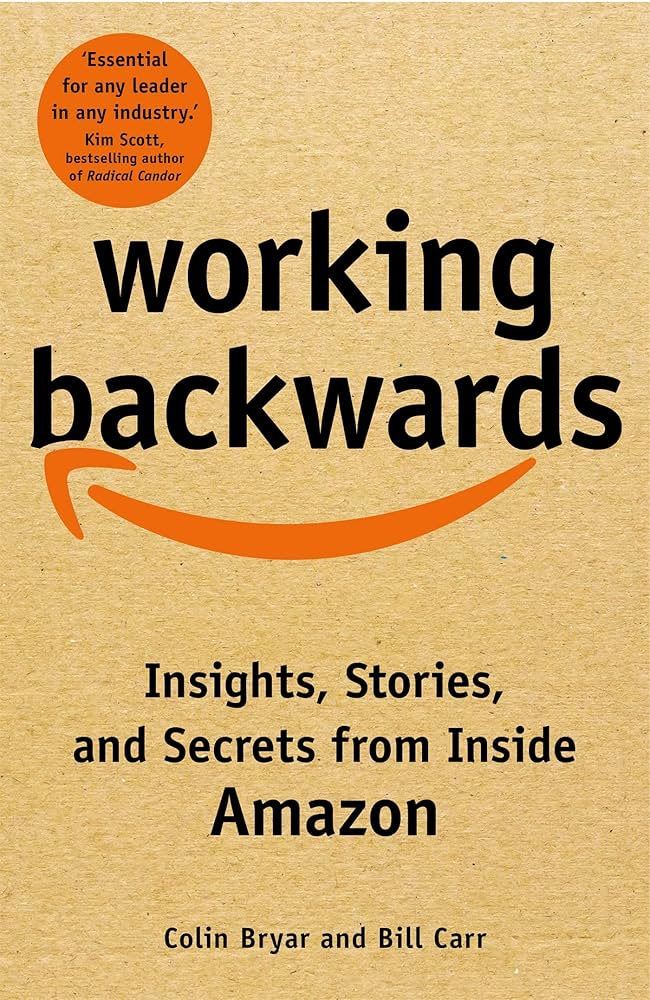
Colin Powell says that you should have between 40-70% of the information, never less and never more. Jeff Bezos thinks similarly, as shared in the book “Working Backwards” (about the history of Amazon). Bezos shares:
In the 2016 shareholder letter, Jeff suggested that “most decisions should probably be made with somewhere around 70% of the information you wish you had. If you wait for 90%, in most cases, you’re probably being slow. Plus, either way, you need to be good at quickly recognizing and correcting bad decisions. If you’re good at course correcting, being wrong may be less costly than you think, whereas being slow is going to be expensive for sure.”
The last line is perhaps the most interesting. You might be wrong, which can be costly, but being slow could cost even more.
For me, the tricky part is to be able to determine that percentage on a decision. While gathering information, it can be difficult to even know when you’ve hit the 70% mark, which is why experienced leaders can be so valuable. You learn to estimate that by going through hundreds of decisions, and each one should be a little better than the last.
If you’re not sure if you have enough information to make a decision, you probably already do.