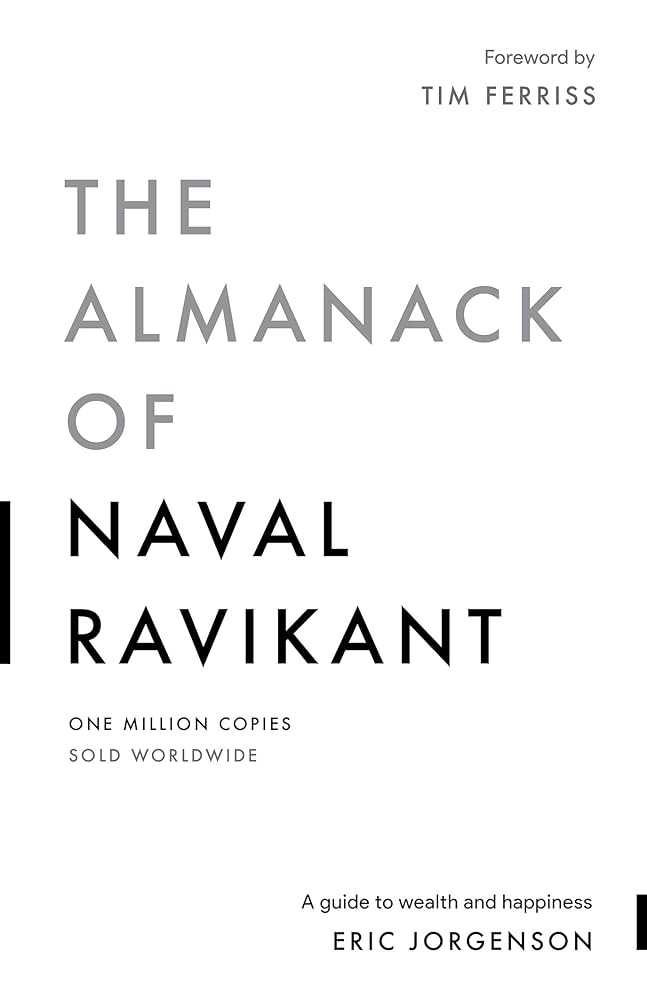
A lack of determining your top priority can be a huge problem. In “The Almanack of Naval Ravikant“, this idea from Naval is shared:
Basically, whenever you throw any so-called good habit at somebody, they’ll have an excuse for themselves. Usually the most common is “I don’t have time.” “I don’t have time” is just another way of saying “It’s not a priority.” What you really have to do is say whether it is a priority or not. If something is your number one priority, then you will do it. That’s just the way life works. If you’ve got a fuzzy basket of ten or fifteen different priorities, you’re going to end up getting none of them.
I really see two separate pieces at play here.
No main priority
The first is the lack of establishing a priority, under the false idea that you can have a bunch of priorities. Greg McKeown had some great thoughts about this in his book “Essentialism“:
The word priority came into the English language in the 1400s. It was singular. It meant the very first or prior thing. It stayed singular for the next five hundred years. Only in the 1900s did we pluralize the term and start talking about priorities. Illogically, we reasoned that by changing the word we could bend reality. Somehow we would now be able to have multiple “first” things.
I don’t have time
The other is Naval’s thoughts on “I don’t have time”. I’ve long said that “I don’t have time” is another way to say “it’s not my priority”. Unless you’re in jail or in the hospital you “have time”, but choosing not to do something in lieu of another option isn’t necessarily a bad thing. Knowing what matters most is important.
Put away the fuzzy basket of priorities, decide what matters most, and make your day reflect that decision.