There’s an interesting phenomenon where people who join causes online (“share this post if…”) are actually less likely to take action to help the cause they say they’re supporting.
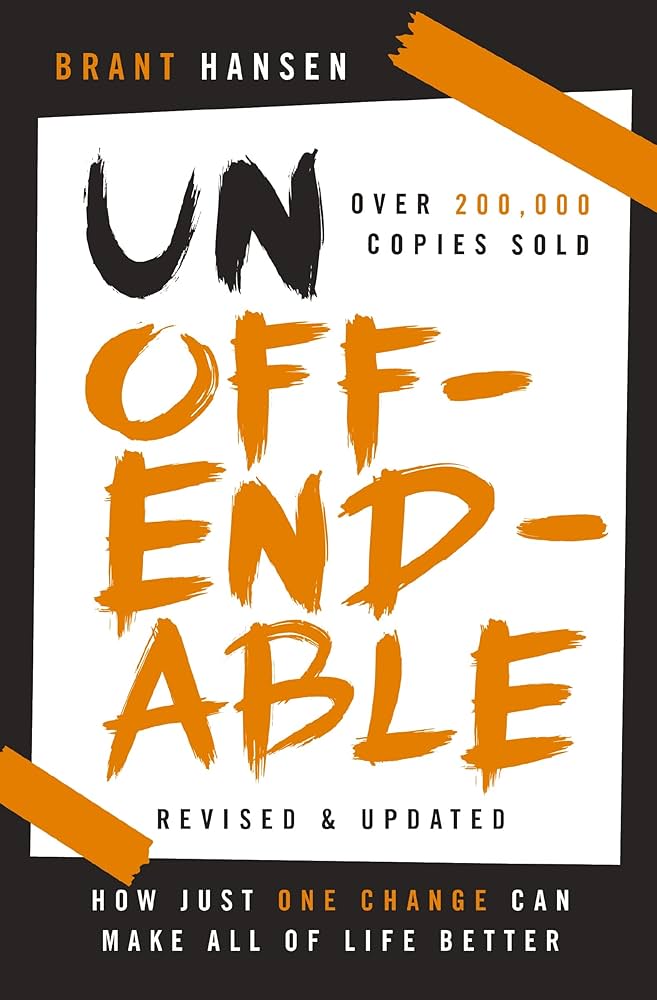
In his book “Unoffendable“, about avoiding the temptation to let anger rule our minds, Brant Hansen shares:
“Of course, we’re all thankful for the right to speak our minds. But here’s what’s odd about this confusion when it comes to injustice, anger, and action: a recent study found that people who join causes online are not more apt to actually do something—they’re less likely to take action.”
That seemed potentially questionable to me, so I dug into Brant’s notes and he cited a study from the University of British Columbia in 2013 that says exactly that. From the study:
“Our research shows that if people are able to declare support for a charity publicly in social media it can actually make them less likely to donate to the cause later on.”
In his book, Brant explains a bit more about why that might be the case:
“The myth of “righteous anger” actually impedes the taking of action, because it lets us congratulate ourselves for a feeling, rather than for doing something. Meanwhile, someone else, someone who didn’t tweet about it, didn’t get the bumper sticker, and didn’t click “Like” on the cause, is actually sacrificing their time and treasure to genuinely benefit the poor children of Wherever.“
That’s not to say that supporting causes online is a bad thing. That support can raise awareness and potentially bring others onboard to join you. Leaving your support there, however, means you likely didn’t really believe in that cause in the first place.
If you want to make a difference, go make a difference.