In many industries, including marketing, it’s fairly common to offer discounts or price breaks to help make a deal happen. There’s nothing wrong with that, certainly, but if you’re really giving a “deal”, then the value that you’re offering needs to stay the same.
For example, if you have a $1,000 project that you agree to sell for $750, the value of your work needs to remain at the $1,000 level. If you cheapen your work to compensate for the price, then you didn’t really give a deal — you just took $750 for $750 worth of work.
It’s a tricky thing to do, for sure. It’s easy to think “they didn’t pay as much, so I won’t work as hard”, but that’s being unfair about what you’re offering. That said, keeping your profit margin at a healthy level is important as well, which likely affects how often you are able to give away deals like this.
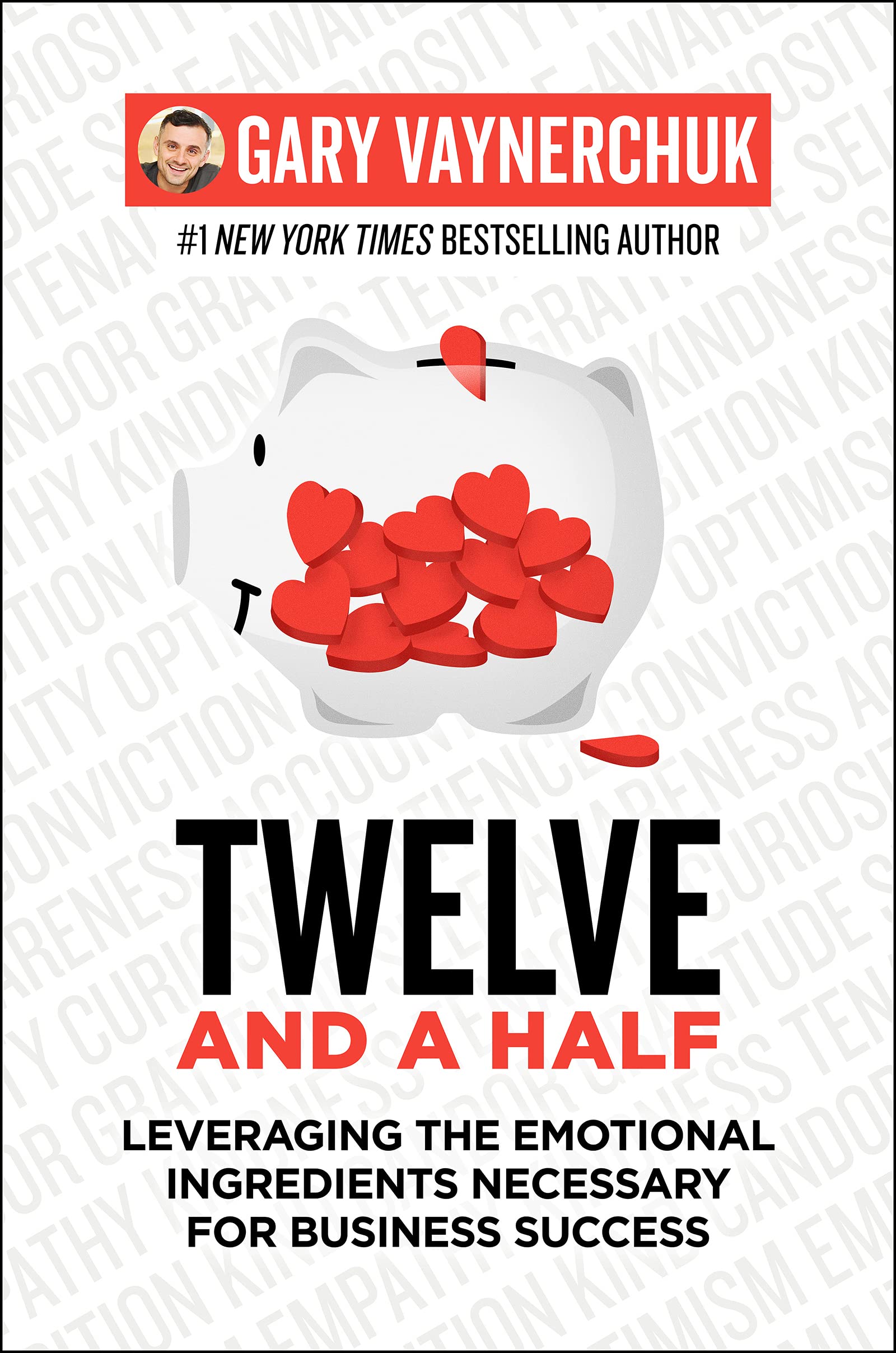
In his book “Twelve and a Half“, Gary Vaynerchuk even goes the other way. If you lower your price, you should raise the quality of what you deliver. He says:
“If you ask for $200 and agree to $100, think of it as $300.”
I’m not sure I completely agree with that, though I appreciate the sentiment. Really, in both cases you should think of it as $300 and work to deliver beyond expectations.